Khaprail Tiles in Lahore


Khaprail Tiles in Lahore


Khaprail


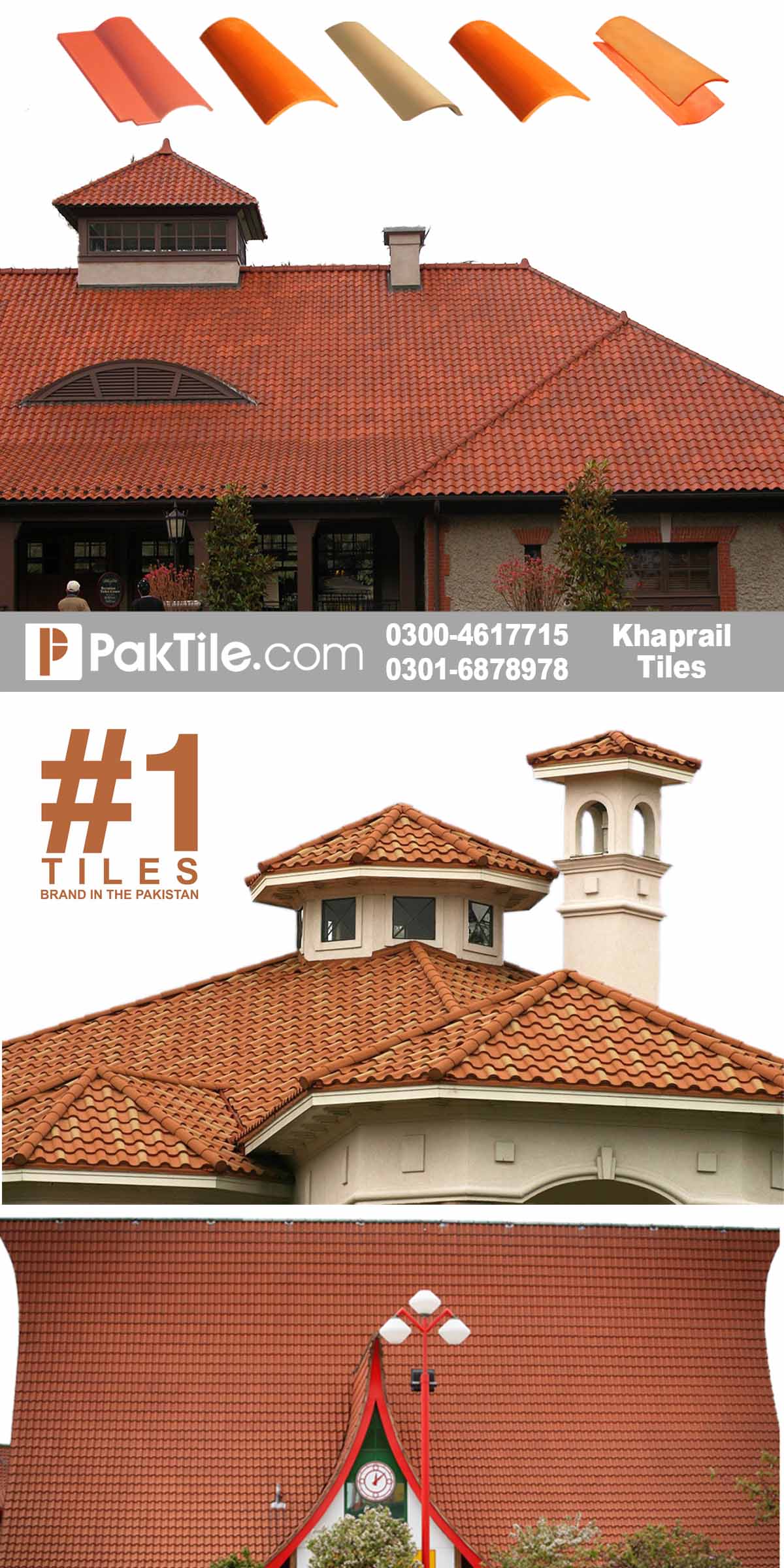
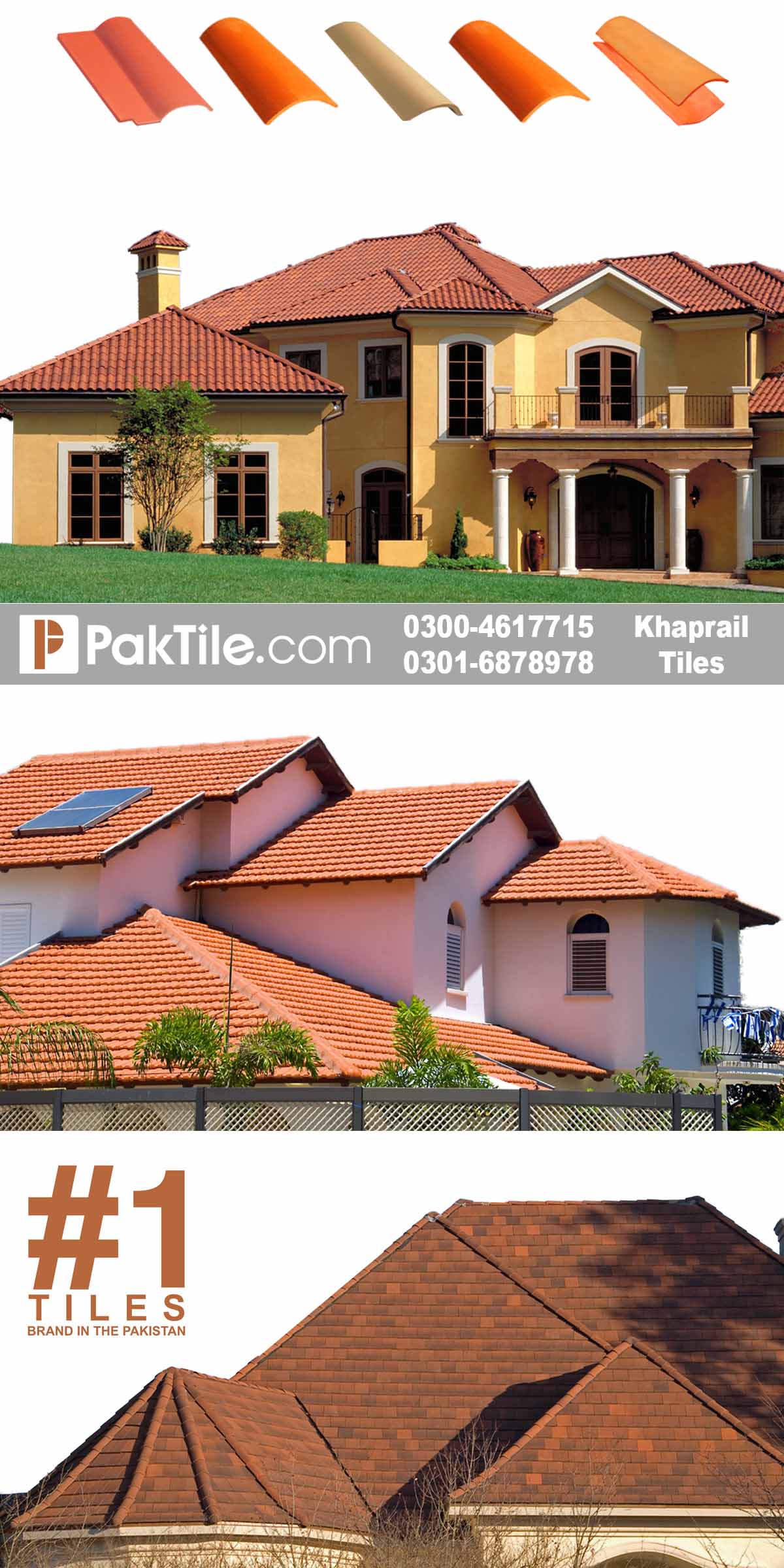
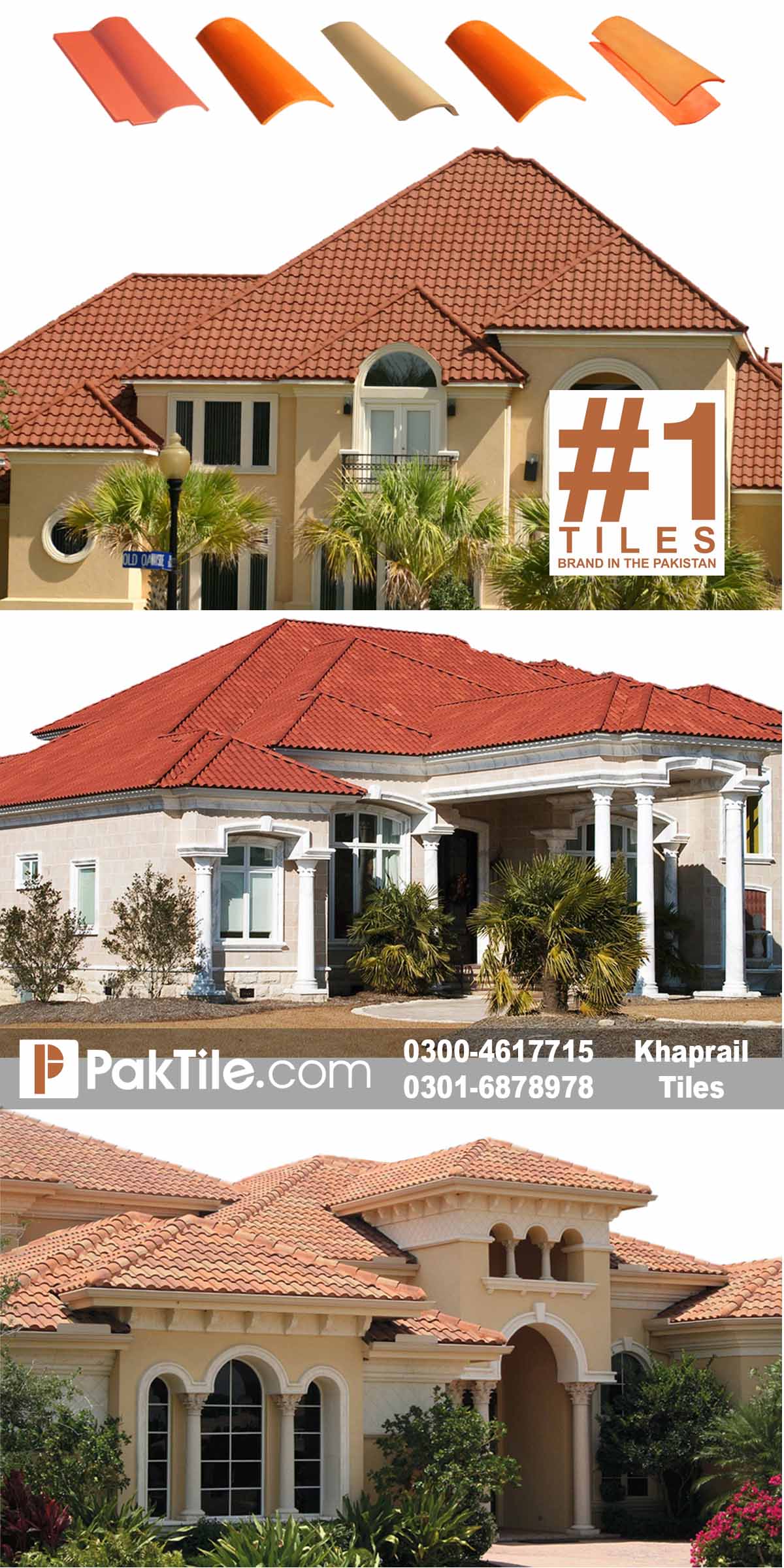
When it comes to roofing, Khaprail Tiles in Lahore have always been a trusted and stylish choice. These tiles combine strength, tradition, and elegance, making them a preferred option for homeowners, architects, and builders across Pakistan. Whether you’re building a new house or renovating an old one, Khaprail tiles add both beauty and durability to your roof.
Khaprail tiles are traditional clay roofing tiles, well-known for their rustic look and natural durability. They not only enhance the beauty of a house but also provide excellent protection against heat and rain, making them ideal for the climate in Pakistan.
Khaprail tiles have been used for centuries in South Asia, especially in rural and suburban homes. Their design is inspired by traditional architecture that blends naturally with the environment, giving homes a timeless charm.

For homeowners in Lahore, choosing Khaprail Tiles in Lahore offers several advantages:
They increase the value of your property with a traditional yet stylish finish.
Concrete Khaprail Tiles – A modern alternative offering extra strength.
The primary use of Khaprail tiles is roofing. Their curved design allows water to run off easily while keeping the house insulated. This makes them a great alternative to concrete slabs or metal sheets.
Apart from roofs, many architects now use Khaprail Tiles in Pakistan for wall cladding, boundary walls, and decorative elements, creating a warm and earthy aesthetic.
One of the biggest advantages of Khaprail tiles is their ability to withstand harsh weather. From Lahore’s hot summers to monsoon rains, Khaprail tiles are strong enough to last for decades if installed correctly.
Imagine walking into a home with a roof that looks like something from a countryside villa—it feels warm, welcoming, and unique. That’s the beauty of Khaprail tiles. They turn an ordinary roof into a statement of style.
The Khaprail tile price in Pakistan varies depending on quality, size, and supplier. On average, prices range from Rs. 35 to Rs. 65 per tile, making them an affordable and long-lasting roofing option compared to other materials.
Lahore is home to many Khaprail tile manufacturers and suppliers who provide a variety of designs, shapes, and price ranges. Buying directly from trusted suppliers ensures quality and better pricing.
Professional installation is key to long-lasting roofs. Tiles are laid in overlapping patterns to avoid leakage, ensuring both beauty and durability.

Apart from Lahore, Khaprail Tiles in Karachi and Khaprail Tiles in Islamabad are also gaining popularity. Their natural cooling effect makes them perfect for Karachi’s heat, while in Islamabad, they complement modern architectural styles.
If you’re searching for a roofing solution that balances tradition, beauty, and durability, Khaprail Tiles in Lahore are the perfect choice. With their rich heritage, affordability, and timeless charm, they remain one of the best roofing options in Pakistan.
1. What are Khaprail tiles made of?
Khaprail tiles are usually made of natural clay or terracotta, giving them strength and durability.
2. How long do Khaprail tiles last?
With proper installation and care, Khaprail tiles can last for several decades.
3. Are Khaprail tiles suitable for modern homes?
Yes, many architects blend them into modern designs for a rustic yet elegant look.
4. What is the price of Khaprail tiles in Pakistan?
Prices range between Rs. 35 to Rs. 65 per tile depending on quality and supplier.
5. Where can I buy Khaprail Tiles in Lahore?
You can purchase from reliable Khaprail tile suppliers and manufacturers in Lahore who offer different sizes, shapes, and price ranges.
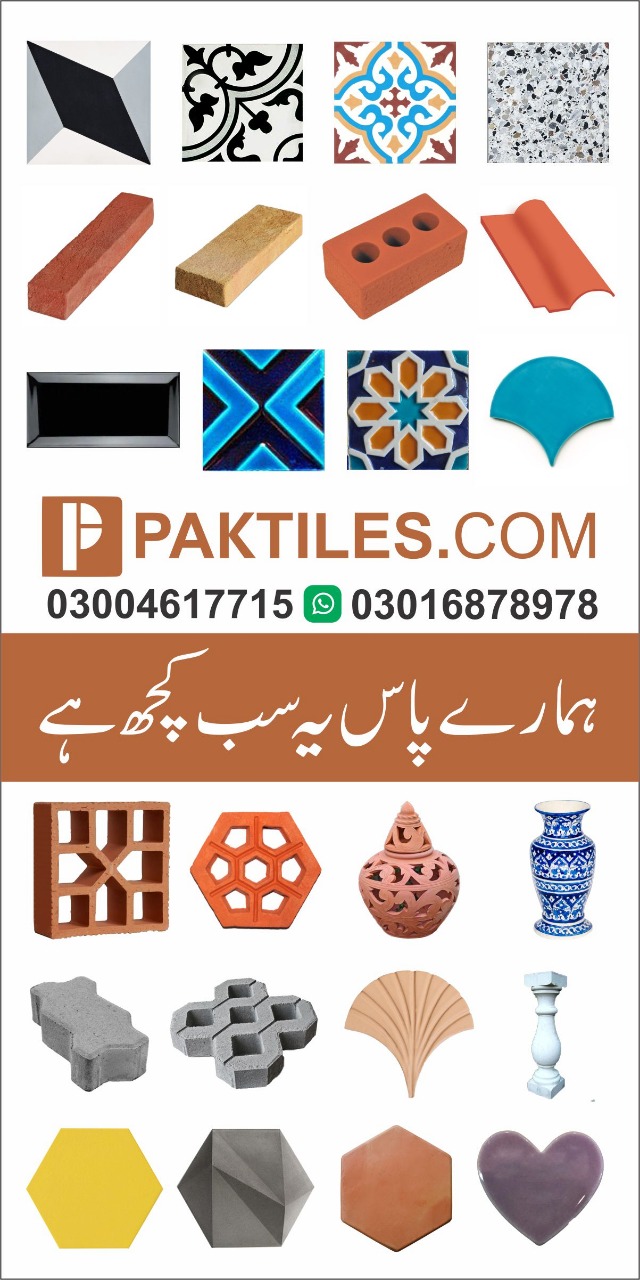
Whether you’re building a modern villa or revamping a coastal-style bungalow in Karachi, clay tiles offer design versatility you can’t ignore. From warm-toned terracotta to elegant glazed finishes, they fit any mood. In this article, we’ll dive into how Clay Tiles Karachi designers and homeowners are using to create beautiful, functional spaces—both indoors and out.
Clay tiles aren’t just tough—they’re beautifully expressive. Each one carries a handmade, organic look that brings personality to any room or outdoor space.
In a city where sand, sun, and sea meet architecture, clay tiles offer the perfect match—earthy, resilient, and adaptable to many design styles.
Create cozy, warm interiors using unglazed terracotta tiles. Perfect for lounges, corridors, and stairways, especially with natural light.

Glazed clay tiles add a clean, polished look while resisting water and stains—ideal for bathrooms, kitchens, and utility areas.
Want timeless charm? Go for Khaprail tiles. These traditional curved roof tiles are iconic in Karachi’s heritage homes and farmhouses.

Clay tiles are slip-resistant and weather-friendly, making them perfect for outdoor sitting areas, pathways, or even terrace floors.
Channel a Mediterranean or coastal vibe with white-washed walls, bamboo furniture, and terracotta floors—a beach-house look right in the heart of Karachi.
The city’s warm climate pairs well with browns, reds, ochres, and burnt orange—exactly the colors clay tiles naturally offer.

Break monotony with:
Hexagonal tiles for bold entryways
Checkerboard layouts for modern kitchens
Mosaic patterns for artistic walls or backsplashes
Mix clay tiles with:
Wooden beams
Stone cladding
Concrete finishes
This adds contrast and depth to modern interiors.
Clay isn’t just for floors! Use thin tile strips or square tiles on feature walls to bring texture and character to your living room or office.

You don’t have to follow the grid. Lay tiles in herringbone, diagonal, or spiral designs for a personalized touch.
From cafes to boutique hotels in Clifton and DHA, clay tiles add warmth and elegance to commercial interiors. Great for branding a space with character.
Karachi’s architecture is evolving—and clay tiles are evolving with it. Whether you’re aiming for rustic charm or modern minimalism, clay tiles offer the color, texture, and strength to bring your vision to life.
1. Are clay tiles good for modern design?
Yes! Their texture and earthy tones work beautifully in contemporary spaces.
2. Can I mix different clay tile finishes?
Absolutely. Use matte and glazed finishes for contrast.
3. What’s the best clay tile for rooftops in Karachi?
Khaprail tiles are best for strength, weather resistance, and traditional aesthetics.
4. Are clay tiles trendy or timeless?
They’re both—trendy now and timeless forever.
5. Do clay tiles work in commercial settings?
Yes! Many cafes, studios, and salons in Karachi use them for unique ambiance.
Designing or renovating a home in Islamabad? You’ve got a world of options, but one material continues to stand out—clay tiles. Loved for their natural look, durability, and heritage charm, clay tiles in Islamabad are making a bold comeback in contemporary architecture.
Unlike synthetic or industrial materials, clay tiles offer authenticity. They’re molded by nature, shaped by artisans, and fired to perfection.
Architects and interior designers in Islamabad prefer clay tiles because they:
Blend with both rustic and contemporary styles
Offer natural insulation
Require minimal upkeep
Islamabad’s hot months can spike energy use. Clay tiles, thanks to their thermal mass, help keep homes cooler—naturally.
Their density also helps reduce sound reverberation, making them a good choice for peaceful, noise-free interiors.
From matte red to glazed beige, clay tiles adapt to all aesthetics—minimalist, earthy, or even luxury villa vibes.
Pay once, enjoy for decades. That’s the appeal of clay tiles. Their return on investment is high due to longevity and minimal repairs.

Each type serves a different mood and function:
Unfinished, raw beauty. These tiles are perfect for lounges, porches, or rustic-themed interiors.
Ideal for luxury bathrooms or sleek kitchens, glazed clay tiles bring polish and protection.
Islamabad’s colonial and farmhouse-style homes still embrace Khaprail roofing for its beauty and climate compatibility.

Flooring: Smooth, easy-to-clean, often glazed
Roofing: Textured, curved, weatherproof
Choose based on where you want the impact—underfoot or overhead.
Islamabad’s mix of seasons—from dry heat to heavy rain—demands versatile materials. Clay tiles handle this shift effortlessly.

Use Khaprail on pergolas and rooftops for elegance
Combine terracotta floors with warm lighting for earthy charm
Use high-gloss tiles in wet zones like washrooms or patios
Clay tiles in Islamabad aren’t just a trend—they’re a legacy reborn. Perfect for homeowners who want their space to feel real, rooted, and refined.
1. Can clay tiles be used for both interior and exterior design?
Yes, and that’s part of their charm. They’re versatile across spaces.
2. Do they fade under sunlight?
Quality clay tiles retain color for decades if properly fired.
3. Are clay tiles suitable for upscale homes?
Definitely. Many luxury homes in Islamabad feature designer clay flooring and Khaprail roofing.
4. What makes Khaprail special?
It combines local heritage with great durability—perfect for Islamabad weather.
5. Are clay tiles expensive?
Not necessarily. They offer great long-term value and are available in a wide price range.
Have you ever walked into a place and felt instantly at ease—warm colors underfoot, earthy textures, a rustic charm that feels just right? Chances are, you were standing on clay tiles. These age-old floor and roof solutions have been loved for generations, and in cities like Lahore, they’re not just a trend—they’re part of the culture.
But why are clay tiles in Lahore still such a hit, especially in this era of polished concrete and vinyl flooring? Let’s walk through their world together. Whether you’re building a new home or just daydreaming about your dream patio, you’re about to discover why clay tiles could be your new favorite thing.
Clay tiles are tiles made from natural clay that’s shaped, dried, and fired in kilns. They’re known for their earthy tones, strength, and rustic beauty. Unlike synthetic materials, they bring a natural, lived-in feel to any space.
Did you know that clay tiles have been around for thousands of years? From Roman villas to Mughal architecture, these tiles have stood the test of time. In Lahore, clay tiles can still be seen on old havelis, mosques, and colonial structures, adding a sense of history and grandeur.
Imagine wearing leather shoes that mold to your feet over time. That’s how clay tiles behave for your floors and roofs—they age gracefully and get better with time. Here’s why they’re a popular pick:
Natural Insulation – Keeps homes cooler in summer and warmer in winter.
Long-lasting – These tiles can last decades if maintained properly.
Aesthetic Appeal – Warm, earthy tones match almost any décor.
Slip-resistant – Ideal for patios and wet areas.
In Lahore, you’ll find a diverse range of clay tiles:
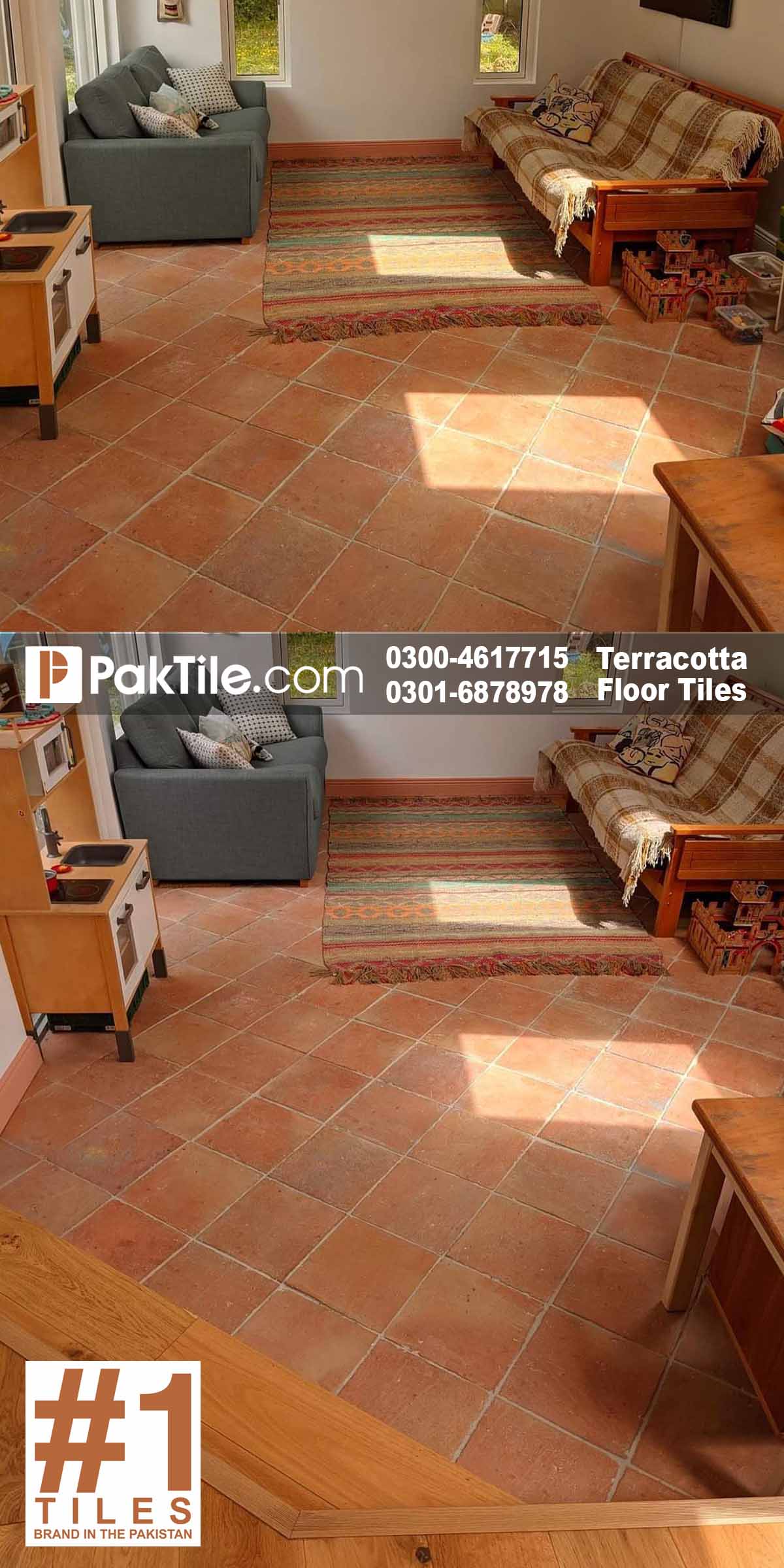
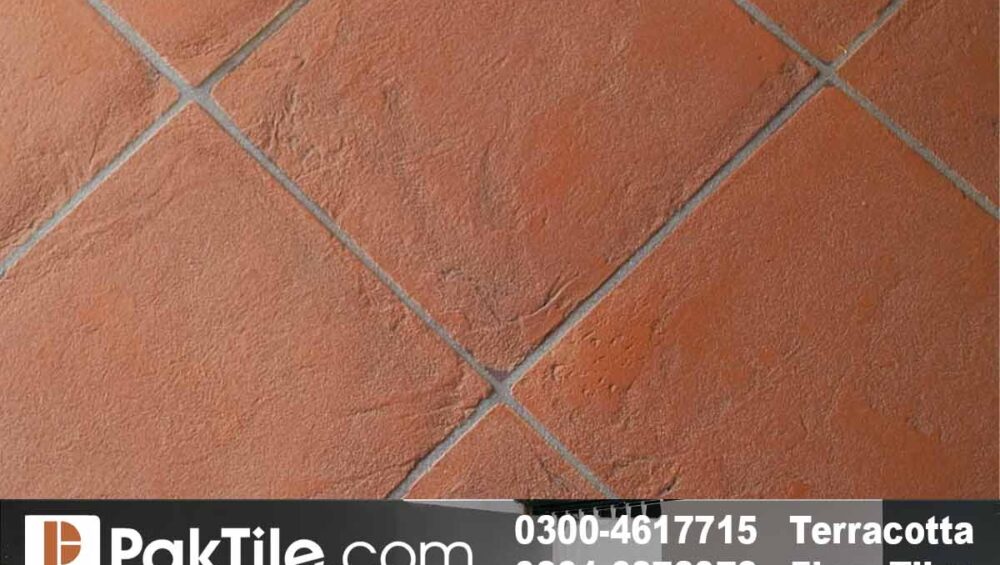
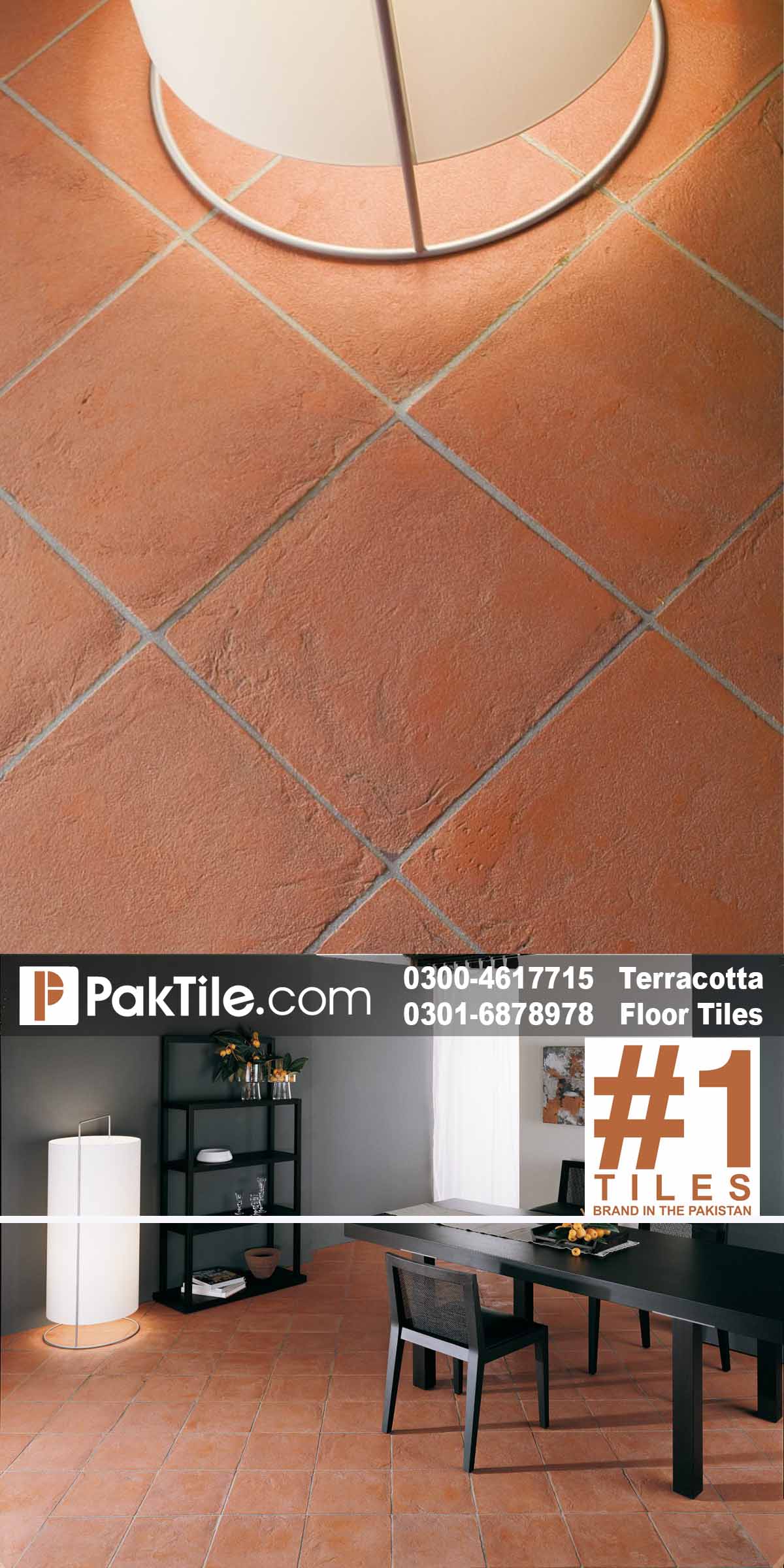
Terracotta Tiles – Rich red tones; popular for rustic interiors.
Glazed Clay Tiles – Coated for shine and water resistance.
Khaprail Tiles – Traditional roofing tiles found in older buildings.
Handmade Clay Tiles – Unique textures and patterns.
Khaprail tiles are the pride of traditional Lahori architecture. Made by local artisans, these curved clay tiles are perfect for sloped roofs. They not only enhance the look of a house but also protect it from rain and heat. Khaprail tiles are especially popular in garden pavilions, heritage homes, and mosques.

While both are made from the same material, their designs and strengths differ.
Clay Roof Tiles are lighter, curved, and designed to interlock for protection against rain.
Clay Floor Tiles are flat, thicker, and crafted to handle foot traffic.
Choosing the right one depends on your purpose—but they both add charm.

Making a clay tile isn’t just manufacturing—it’s an artform. Local artisans:
Collect natural clay from riverbanks or soil beds.
Mold it using wooden frames.
Sun-dry the shapes before firing them in kilns at high temperatures.
Some are painted or glazed for added flair.
Each tile carries the soul of its maker—no two are ever quite the same.
Lahore sees hot summers and mild winters. Clay tiles handle this beautifully:
They absorb less heat during the day, keeping homes cooler.
Their porous nature allows them to breathe—ideal in humid monsoons.
They’re resistant to fading, which is crucial in bright sunlight.
If you’re searching for reliable suppliers in Lahore. Come and see our collect at Walton Road, Opposite Packages Mall, Lahore. You’ll find both machine-made and handcrafted varieties, often at wholesale prices.
Be sure to ask for:
Sample pieces
Tile strength & water absorption tests
Warranty or durability info
Genuine clay tiles have a grainy texture and natural color variations. Tap on them—they should give a crisp, metallic sound. Avoid overly glossy or light-weight versions—they may be fakes or mixed with synthetic fillers.
Installing clay tiles takes skill. Always hire professionals with experience in clay tile fitting.
Here are some tips:
Ensure the surface is level.
Use the right adhesives or mortar.
Allow room for natural expansion.
Seal the tiles if needed for high-traffic areas.
Good news! Clay tiles are low-maintenance. Just:
Sweep or vacuum regularly.
Use a mild soap solution to mop.
Avoid harsh chemicals—they can damage natural clay.
For roof tiles, inspect them annually for cracks, especially before monsoon season.
You can use clay tiles anywhere:
Indoor floors for bedrooms, kitchens, or hallways.
Outdoor patios, gardens, and walkways.
Roof tiles for pergolas or full roofing.
Their natural appeal blends beautifully with green spaces and wooden furniture.


Clay tiles are as green as it gets. Made from natural earth, they’re:
Biodegradable
Energy-efficient to produce
Recyclable or reusable
In a world moving toward sustainability, clay tiles are a smart, stylish choice.
So, are clay tiles in Lahore worth the hype? Absolutely. They combine tradition with practicality, beauty with durability. Whether you’re restoring an old home or starting fresh, clay tiles bring in that warm, timeless look you’ll love every single day.
1. Are clay tiles suitable for modern homes in Lahore?
Yes! Clay tiles add a warm, natural feel that blends perfectly with both traditional and modern designs.
2. How long do clay tiles last?
With proper installation and care, clay tiles can last 50 years or more.
3. Are clay tiles expensive in Lahore?
Prices vary, but they are generally affordable and offer excellent value for their durability and style.
4. Do clay tiles require sealing?
Indoor floor tiles may benefit from sealing for extra protection. Roof tiles typically don’t need sealing.
5. Where can I find the best clay tiles in Lahore?
Check out at the Walton Road, Opposite Packages Mall, for high-quality options.